Have you ever stood in the makeup aisle, staring at a wall of mascara tubes, wondering which one will do what it promises? With claims of being smudge-proof, volumizing, lengthening, waterproof, and curl-enhancing, it can get overwhelming fast. Some look amazing when first applied, only to leave black specks under your eyes by lunchtime.
So what makes a mascara high-performing and flake-resistant? This guide breaks down why mascara flakes, what to look for in a long-lasting formula, and how your lash type and habits can help you get full, fluttery lashes without the mess.
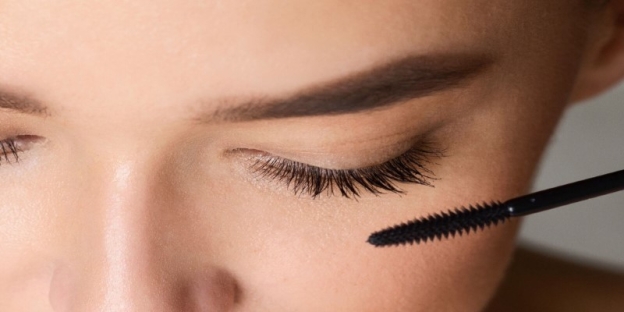
Before selecting the best, it's helpful to understand why some mascaras don't last.
One big reason is the formula itself. Some mascaras contain waxes that dry out too quickly or don't stay flexible on the lashes. Once the formula becomes brittle, even the slightest movement, such as a blink or rub, can cause small flakes to fall off. Another common reason is layering too much product. Applying multiple coats without allowing time for them to dry in between can cause the mascara to crack and shed as the day progresses.
Humidity, oily eyelids, and even the shape of the eyes also influence how a mascara wears. If your lashes touch your skin while you blink, and your skin is slightly oily, it creates friction. That wears down the mascara layer, leading to smudging or crumbling
of the product.
Even if the product claims to be long-wearing, it may not behave that way, depending on how it interacts with your skin and how you use it.
The words on the tube can be misleading. To know what works, check the ingredient list and the type of finish.
Look for formulas that contain film-forming polymers. These create a light, flexible film around your lashes that stays intact, rather than cracking. A small amount of silicone ingredients, such as dimethicone, can also help the mascara grip better without stiffening.
Tubing mascaras are a strong pick for people struggling with flakes. Instead of painting pigment onto your lashes, tubing mascaras wrap each lash in a tiny polymer tube. They tend to resist humidity, rubbing, and flaking well, and they wash off cleanly with warm water, leaving no residue.
Waterproof mascaras usually stay put longer, but not always. Some waterproof types have overly dry formulas that become brittle on the lashes. If you're going for waterproof, check if it's labeled "soft-wear" or "flexible hold" to avoid cracking.
Not all lashes are the same, and picking the right mascara also depends on what your natural lashes need.
If your lashes are fine and short, a lightweight, lengthening formula is ideal for you. These often come with thinner brushes and avoid heavy waxes, which can weigh lashes down and cause them to flake more easily. Look for mascaras that mention nylon fibers or peptides if you want a lengthening boost without applying too much product.
For thicker lashes, volume-building mascaras work well, but layering becomes essential. Apply a single coat, let it set for a few seconds, then apply a second coat before it completely dries. Using too many coats on thick lashes can cause clumps and eventually flakes.
Curly or lifted lashes can often touch the eyelid area, especially if you have hooded eyes. In this case, smudge-resistant and tubing options are usually the safest for all-day wear.
Ingredient lists aren’t always easy to understand, but knowing a few basics can make a difference in how your mascara performs.
Look for:
Try to avoid:
Avoiding heavily fragranced formulas can also be beneficial if your eyes water easily, as watery eyes can cause mascara to wear down more quickly, leading to smudging or flaking.
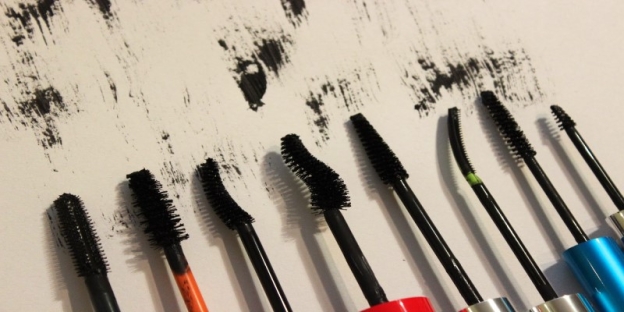
A mascara wand does more than apply product—it can affect how evenly it coats your lashes and whether it clumps or flakes later.
Straight, dense brushes often give better volume, but they can pick up more product than needed. If not applied carefully, this can result in uneven coverage that dries and flakes. Tapered or curved brushes work well for separating lashes and giving definition without overloading them.
Rubber or silicone wands often provide a cleaner application, especially for lengthening mascaras. They prevent excessive build-up and reduce the likelihood of flaking throughout the day.
Even with the best mascara in hand, application matters.
Start with clean, dry lashes—remove any leftover oil, cream, or makeup remover. Curl your lashes if needed, but always before applying mascara to avoid breakage.
Apply one coat in a gentle zig-zag motion from root to tip. Let it sit for a few seconds. Apply a second coat only if you need more volume or length. Avoid brushing through the lashes more than twice once the mascara starts to dry. This breaks up the formula and encourages flaking.
Don’t forget the lower lashes. Use whatever product is left on the wand, or try a separate lower-lash mascara with a smaller brush to avoid smudges and over-application.
Finding a mascara that doesn't flake is part understanding the product, and part knowing how it fits into your routine. With the right formula, proper application, and awareness of your lash type, it's entirely possible to wear mascara from morning to night without dealing with black specs under your eyes.
Focus on formulas with flexible polymers, avoid over-applying, and don’t be afraid to test a few different brushes until you find the one that coats your lashes just right. That’s how you get lashes that look great and stay clean—no flakes included.