Tired of a foundation that feels heavy by midday? Or wondering if what you put on your skin every day might be making things worse? Mineral makeup has carved out a big space in the beauty industry, marketed as cleaner, safer, and more skin-friendly. But what makes it different? And more importantly, is it something you can count on for daily use?
Mineral makeup is built around a shorter ingredient list. You won’t usually find common additives like fragrances, parabens, synthetic dyes, or talc. The main ingredients are finely ground minerals—think zinc oxide, titanium dioxide, mica, and iron oxides. These give the product its color, texture, and natural sun-reflecting properties.
The most significant difference lies in what it doesn’t include. Unlike many liquid foundations or cream-based products, mineral makeup doesn’t rely on emollients or preservatives that can cause breakouts or irritation. This makes it especially attractive to people with sensitive or reactive skin.
The format is typically powder-based, although some brands now offer cream and liquid versions using mineral formulas. Either way, the aim is a lighter, more breathable feel that still delivers decent coverage.
It’s tempting to believe that makeup could double as skincare, especially if it claims to soothe or protect the skin. And in the case of mineral makeup, there’s some truth behind the idea. Zinc oxide, one of the main ingredients, has calming properties that can reduce redness. Titanium dioxide helps protect against sun damage by reflecting UV rays. Both of these are often used in skincare products for acne and rosacea.
Since the formulations avoid common irritants, mineral makeup tends to clog pores less. That means fewer breakouts caused by heavy layers of product sitting on the skin throughout the day. Still, results vary depending on the individual. What works for one person's skin won't always work for another. While some people notice a noticeable improvement, others may not see much difference but still appreciate the lighter feel.
If you're accustomed to full-coverage liquid foundation, switching to mineral powder can feel like a significant shift. Mineral makeup generally offers medium coverage that builds gradually. It's not meant to cover everything in one swipe. That said, for everyday use—covering uneven tone, light redness, or a few blemishes—it works surprisingly well.
The finish is usually matte, which works nicely for people with oily or combination skin. For those who prefer a slightly dewier look, layering with a moisturizing primer or finishing spray can help achieve this effect. Some mineral foundations are now blended with subtle light-reflecting minerals to soften the matte effect and give a more natural glow.
If you're after a lightweight look that still evens out your complexion, mineral makeup can deliver a smooth finish without the cakey appearance.
One of the most common reasons people stick with mineral makeup after trying it is its texture. Unlike many traditional foundations, it doesn't sit heavily on the skin. There's no sticky or greasy residue, and it often feels like you're not wearing anything at all.
It also holds up well during the day. For most skin types, the wear time is respectable, typically lasting five to eight hours without requiring a touch-up. If your skin tends to get oily, a midday blot or reapplication of light powder may be necessary to keep it looking fresh. Still, the lightweight nature of mineral formulas makes them easy to reapply without piling on.
Since the product isn’t wet or creamy, it doesn’t shift around on the skin or transfer as much, which helps keep your look intact through a regular workday or outing.
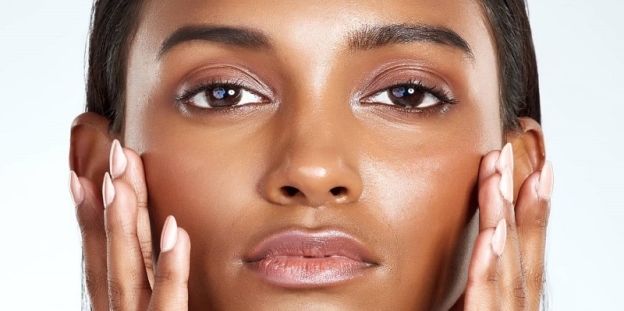
Mineral makeup is often a good match for oily skin types. The powder format helps absorb excess oil and reduce shine. Ingredients like zinc oxide also help calm the inflammation that often accompanies acne-prone skin.
This is where things can get tricky. Mineral powders can cling to dry patches, making flaky areas more noticeable. But that doesn't mean it's off-limits. With the proper prep—think rich moisturizer, a hydrating primer, or even a face mist during the day—it can work well. Choosing a cream-based mineral foundation can also be a better option.
The minimalistic formula makes it less likely to cause irritation or allergic reactions. Dermatologists often recommend it for those dealing with eczema, rosacea, or reactive skin, provided that the formula avoids bismuth oxychloride, which can be problematic for some people.
Just because a product is labeled “mineral” doesn’t make it pure or irritation-free. Not all mineral makeup is created equally. While some stick to a simple formula, others may add fillers or unnecessary extras.
Here’s what to look for:
A shorter list is often better, especially if you wear makeup daily.
Mineral makeup has some clear advantages. It's lighter, gentler, and less complicated—qualities that many people seek in a daily product. While it doesn't promise perfect skin, it often pairs better with it. That makes it a solid option for anyone who wants coverage that doesn't feel like a mask or interfere with their skincare.
Of course, it's not a one-size-fits-all solution. Dry skin types may need to prep more. And if you're looking for dramatic, full-coverage results, you might need to mix it with other products or use it in rotation. However, for regular use—whether you're heading to work, running errands, or want a polished look without fuss—mineral makeup earns its place on the shelf.