Faced with a shelf full of sleek compacts and elegant bottles, how are you supposed to decide? Do you go with the smooth finish of a liquid or the weightless feel of a powder? Some foundations promise a glowing complexion, others aim for shine control—but when your goal is skin that looks like your skin (only better), the wrong pick can feel like a letdown.
We will walk you through the differences with real, concrete examples to help you make a confident decision.
At first glance, the most significant difference seems obvious—one is liquid, the other is solid. But there's more happening under the surface.
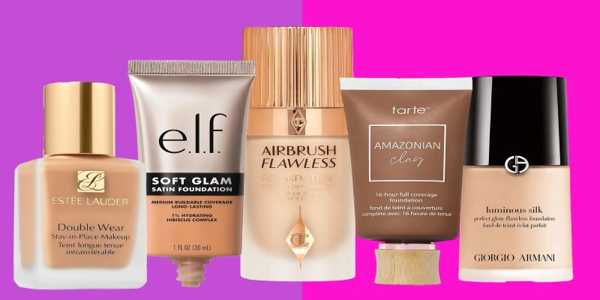
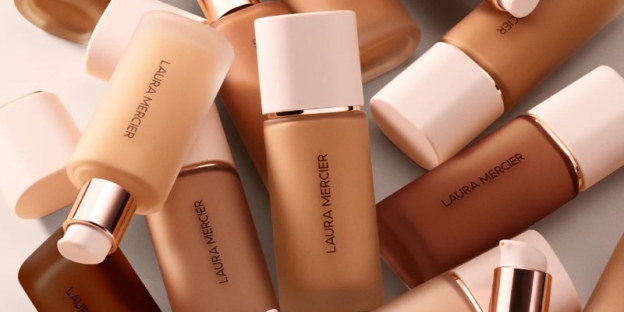
Liquid foundation tends to offer more flexibility. It spreads evenly across the skin and can be built up layer by layer. Most liquids come in various finishes, such as dewy, satin, or matte. The consistency varies as well, ranging from runny and lightweight to thick and creamy.
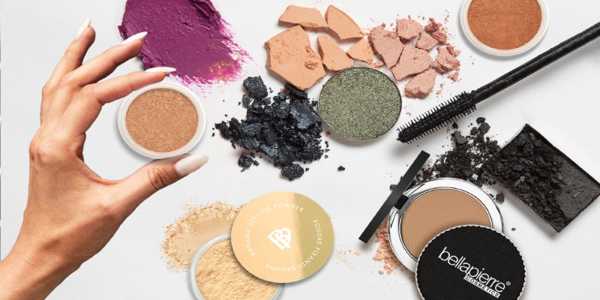
Powder foundation, whether pressed or loose, feels dry to the touch and is often made with oil-absorbing minerals. It’s designed to sit lightly on the skin and works best with a brush or sponge. Some powder formulas can be layered, but most are ideal for quick, light coverage.
These products don’t just look different—they behave differently throughout the day, and knowing how matters.
Start by checking how your skin usually feels by midday. That alone can steer you in the right direction.
If your skin tends to be oily or becomes shiny easily, a powder foundation may be a better option for you. It helps soak up excess oil and leaves a matte finish. People with oily skin often find that liquid foundation starts to break down after a few hours unless it's a special oil-free or longwear formula. Powder stays lightweight and keeps the shine in check.
If your skin feels dry or flaky, liquid is usually the better pick. Most powders cling to dry patches or accentuate texture, whereas liquids tend to melt into the skin more easily. Some liquids are made with moisturizing ingredients, which can help give dull skin a fresher appearance.
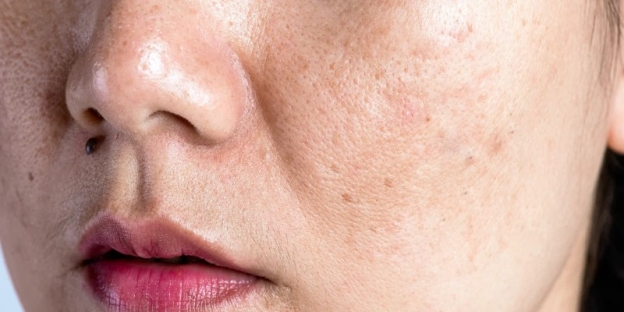
If you're somewhere in between, it helps to think about how your skin behaves in different zones. Many people use liquid foundation for the parts that need coverage, and a touch of powder only where they tend to get oily.
This is a personal call, and it shapes the kind of product that fits into your daily routine.
Powder foundation can work well. It evens out the tone without feeling heavy and doesn’t require much blending. If your skin is relatively even and you don’t need to cover much, this might be all you need.
Liquid foundation has the edge. You can blend it in with a sponge or brush and gradually build up coverage in areas where you want it. Some formulas blur pores and soften lines, giving the skin a more polished look.
Liquid foundations come in different finishes. Some are designed to leave a luminous, dewy glow, while others dry down to a flat matte finish. Powder foundation almost always leans toward a matte finish, though a few have a subtle sheen or a natural appearance.
Some days, you have time to blend and perfect. Other days, you're rushing out the door and need something fast.
Powder is convenient. You can brush it on in seconds. There's no setting time, no sponge cleanup, and you don’t need to layer much else on top. Pressed powders are especially travel-friendly—toss one in your bag and you’re covered.
Liquid foundation gives you more room to adjust the finish. It may need to be set with powder or paired with primer, but when applied correctly, it blends beautifully and appears seamless on the skin. For those who enjoy spending more time on their makeup, this option is well worth it.
Do you want your foundation to hide redness, blur texture, or make your skin look more even?
Powder can work well here. It tones down uneven patches and reduces shine, but it doesn’t fully cover darker marks or blemishes. Great for days when you’re going for a simple, fresh look.
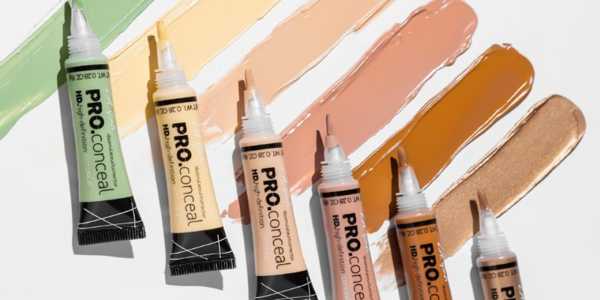
Liquid works better if you want to hide discoloration or breakouts. You can blend it over specific areas, layer it slowly, or mix it with moisturizer for a sheerer look. It’s much easier to customize than powder.
Climate affects how your makeup performs more than most people expect.
Powder can be more comfortable. It prevents the skin from feeling sticky and helps combat the midday shine that comes with heat. In places where makeup tends to melt, powder stays put longer.
Liquid foundation keeps your skin looking smoother. Powders can make already dry skin look even drier in the winter. A hydrating formula helps prevent tightness and maintains a fresh finish throughout the day.
Some people change their foundation depending on the season—liquid for colder months, powder for summer.
If your skin is dry and you're looking for a smooth, glowing finish with some flexibility, a liquid foundation is a better match. If you want something portable, quick, and more shine-controlling, powder may be a better option for you. You don't have to stick with just one type. Many people incorporate both into their routine and switch depending on their skin's needs.
Trying out samples at a makeup counter or using testers in-store can help. Apply one type to each half of your face and check how they wear after a few hours. That way, you'll know which foundation doesn't just look good in the morning, but lasts throughout your day.