Ever stare at foundations, wondering if full-coverage is best? That flawless, airbrushed promise sounds ideal. But is it always the smartest choice for your skin, lifestyle, and look? Full-coverage foundation has pros, but also important considerations. It's good to rethink what works now. Skin changes, preferences evolve, and not every face needs the same thing daily.
Full-coverage foundation is designed to conceal almost everything. Think acne scars, redness, dark spots, uneven skin tone—you name it. It creates a smooth and uniform base that often looks camera-ready. This is why it's a favorite in the entertainment world, bridal makeup, and high-glam photo shoots.
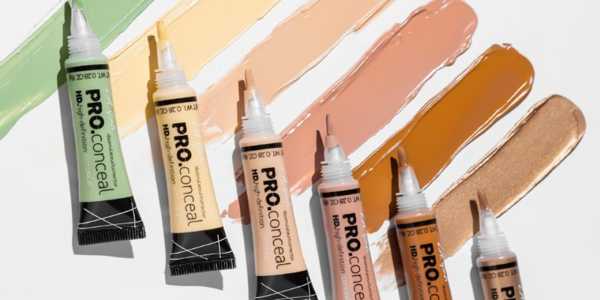
Some full-coverage foundations even double as concealers. They're often thicker in texture, heavily pigmented, and long-wearing. Many are also matte, which can help reduce shine for those with oily skin. So on paper, it sounds like a dream product.
But is more coverage always better?
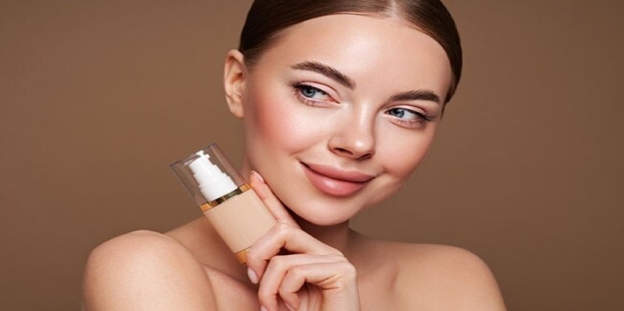
Let's say you're dealing with active breakouts or hyperpigmentation that you're self-conscious about. You may be attending a formal event or need your makeup to withstand the heat, sweat, and hours of wear. This is where full coverage can be a great option. It gives you control over how your skin looks in high-pressure or high-visibility situations.
Some people prefer the polished, almost poreless appearance that full-coverage makeup provides. If you love the feel and look of a perfectly polished base and are comfortable wearing it every day, that's perfectly valid. However, for others, this level of coverage can feel excessive, both on the skin and in daily life.
Here's where things get personal. While full coverage might seem flawless, it isn't always the most comfortable or the most skin-friendly for day-to-day wear.
First, let's talk about the texture. Most full-coverage formulas are heavier than sheer or medium-coverage foundations, particularly on dry or textured skin, which can result in a cakier or thicker, mask-like feel. If not applied carefully or prepped with the proper skincare, it can emphasize dry patches or settle into fine lines.
Then there's breathability. Some formulas can feel suffocating, especially in hot or humid weather. Wearing a thick foundation every day can also contribute to clogged pores for some skin types, depending on the formula.
There's also a visual difference. Full coverage can look very polished in photos but may appear too heavy in natural light, especially if you're not blending it well or if your skin doesn't require that level of coverage.
This depends entirely on your skin needs, comfort level, and makeup habits. For many people, a lighter or medium coverage base works perfectly for everyday life. These formulas tend to feel more natural, let the skin breathe, and are easier to apply quickly.
Think about your daily routine. Are you spending most of your time indoors, in casual settings, or running errands? Or are you constantly in situations where you're photographed, filmed, or in full glam? Your answer may help you determine which foundation type best suits your daily needs.
Some makeup artists even recommend building up coverage only where needed, rather than layering a heavy base all over. Spot-concealing often does the trick without the need for a full-coverage product all over your face.
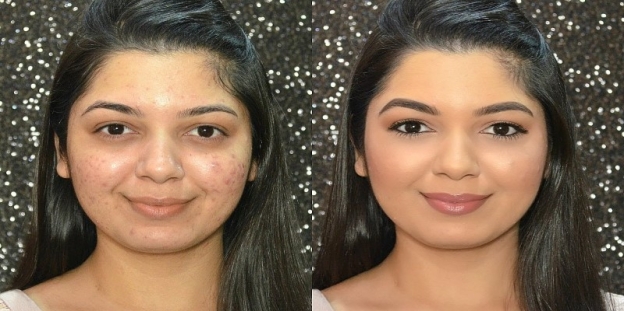
Absolutely. Full coverage doesn't have to mean full-on. The secret is in the technique and the products you use with it.
Here's how to make it work:
It's all about balance. You can get the coverage you want without sacrificing the natural look and feel.
Different skin types react differently to full-coverage foundation.
If you have oily skin, you may prefer matte, full-coverage foundations that control shine and stay in place throughout the day. However, ensure they're non-comedogenic to prevent breakouts.
Individuals with dry or mature skin may find that full-coverage formulas tend to settle into fine lines or cling to dry patches. In this case, hydrating or dewy formulas with medium coverage might look more flattering and feel more comfortable.
Yes. The beauty world has come a long way, and today, there are numerous skin-like, medium-to-buildable coverage products that even out skin tone without the heaviness of traditional full-coverage.
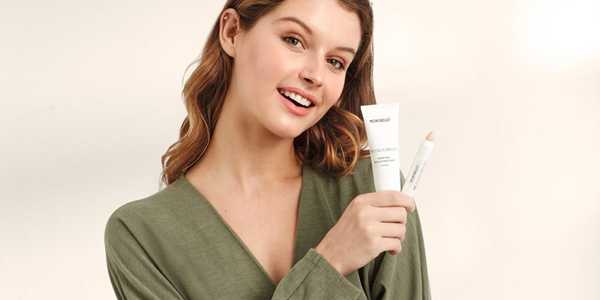
Products like tinted moisturizers, skin tints, BB creams, or light foundation-serum hybrids can provide a more breathable finish while still enhancing the appearance of your skin. They often contain skincare ingredients as well, which can be a bonus if you're seeking long-term benefits.
You can pair them with a good concealer to cover up any areas that need more coverage, such as blemishes or dark under-eye circles. This gives you control over the look without needing full coverage all over.
Instead of chasing the "best" or "fullest" coverage, ask yourself what your skin needs right now. Some days it's more. Some days it's less. The good news? You don't have to choose just one forever.
You can mix foundations, sheer them out with moisturizer, or layer them depending on the day. There are no complex rules—only what works best for you. The key is to know your skin and listen to it.
So, is a full-coverage foundation always the better choice? Not really. But it can be a great one when used with intention. It's just one option in your makeup kit, not the only one.